Review: Happy Labor Day SVG Cut File for Embroidery
As a designer who spends more time staring at stitch maps than most people care to admit, I approach every new machine embroidery design with a mix of optimism and skepticism. When I first pulled up the Happy Labor Day SVG Cut File, my initial reaction wasn't just about the holiday theme; it was about the structural integrity of the lines and how they would translate from a vector graphic into actual thread on fabric. In the world of Crafts and Graphics, there is often a disconnect between what looks crisp on a screen and what holds up under the needle. This review breaks down how this specific embroidery file performs in real-world scenarios, moving beyond the marketing fluff to give you the practical insight needed before you commit to a production run.
First Impressions and Visual Personality
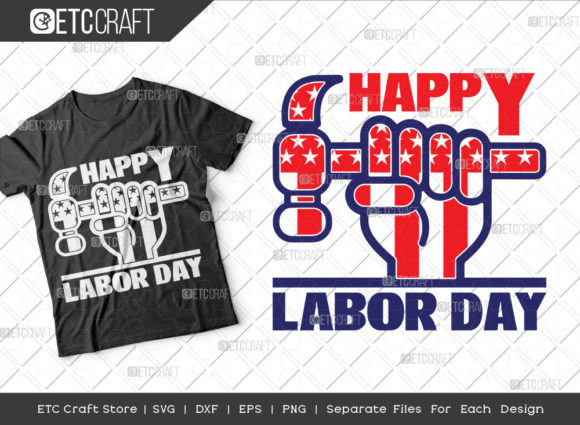
The mood of this design is immediately celebratory yet grounded, which is exactly what you want for a holiday honoring hard work. The layout feels balanced, avoiding the cluttered look that plagues many seasonal design assets. When evaluating the visual personality, I noticed the lines are clean and deliberate. For an embroidery project, this is crucial. Complex, jagged paths in an SVG can sometimes result in messy jump stitches or unnecessary trim points if not optimized correctly. This file appears to have a logical flow, suggesting it will stitch out smoothly whether you are using it for a simple running stitch outline or converting elements into a dense fill stitch for a bolder look.
The typography and graphical elements work together without competing for attention. In my experience, quote-based designs often fail because the text is too thin to hold up in thread or the surrounding graphics overwhelm the message. Here, the hierarchy seems correct. It creates a professional finish that elevates a handmade product from a hobbyist experiment to something worthy of a boutique shelf.
Real-World Application: The Custom Tote Scenario
To truly test the viability of the Happy Labor Day SVG Cut File, I mentally walked through a common client request: a batch of custom canvas tote bags for a local union's end-of-summer picnic. This is a classic use case where durability and visibility matter. Canvas is a textured fabric, which can be unforgiving to fine details. However, the robust nature of this design suggests it would sit well on heavier materials.
Imagine stitching this onto a natural cotton tote. The contrast of bright thread colors against the neutral background would make the design pop. Because the design avoids overly intricate, tiny corners, the risk of thread bunching on the rough weave of the canvas is minimized. If you were to adapt this for an applique design, perhaps layering a contrasting fabric behind the text, the clear cut lines of the SVG would make weeding and placement straightforward. This versatility makes it a strong candidate for commercial embroidery projects where consistency across multiple items is key.
Beyond totes, this design translates effectively to sweatshirt embroidery. On a fleece-backed garment, the design needs enough weight to not get lost in the nap of the fabric. The solid shapes within the file provide that necessary visual weight. Whether you are creating a personalized gift for a family member working in construction or manufacturing, or producing inventory for an Etsy seller looking to capitalize on the holiday rush, the adaptability of this file is a significant asset.
Navigating Fabric Challenges and Stitch Density
While the design is strong, no digital embroidery file is immune to the laws of physics and fabric behavior. There are specific scenarios where you need to exercise caution. If you plan to use this on stretchy fabrics like jersey knits for custom apparel, the stitch density becomes a critical factor. If the original SVG implies a very dense fill, it could cause the fabric to pucker or distort after washing. In such cases, I recommend testing on scrap fabric first and potentially adjusting your stabilizer strategy. A cut-away stabilizer is almost always mandatory for stretchy garments to maintain the shape of the finished product.
Small hoop sizes present another consideration. If you are working with a 4x4 hoop, perhaps for a baby embroidery project on a onesie or a pocket on a work shirt, you must ensure the design fits without crowding the edges. Crowding can lead to frame hits, which ruin both the design and your machine's timing. Always check the dimensions of the SVG before hooping. Similarly, curved surfaces like caps require careful attention. The center of a cap is unforgiving; if the design has wide, flat areas, they may bridge poorly over the curve. For hats, this design might work best as a smaller chest logo or on the side panel rather than the front center, depending on the specific scale you choose.
Dark fabrics also require a strategic approach. If you are stitching on navy blue or black workwear, the thread color contrast is vital. The design's clarity means it will handle high-contrast thread choices well, but you must ensure your underlay stitches are sufficient to prevent the dark fabric from peeking through lighter thread colors. A proper underlay acts as a foundation, ensuring the satin stitch or fill elements look smooth and opaque.
Commercial Value and Brand Consistency
For small business owners and creative entrepreneurs, the value of a design isn't just in its aesthetics; it's in what it does for your brand. Using a polished, well-structured file like the Happy Labor Day SVG Cut File enhances customer trust. When a client receives a tote bag design or an embroidered patch that looks professional, they associate that quality with your shop. Sloppy stitching or poorly scaled graphics can damage a reputation quickly. This file offers the kind of clean lines that support brand consistency.
Furthermore, for those selling digital products or printable mockups, having a versatile SVG is gold. You can easily manipulate the colors in your design software to create various printable mockup options for your online store, showing customers how the design looks on different garment colors. This visual variety drives buyer engagement and helps customers visualize the holiday embroidery on their own items before purchasing.
Practical Designer Notes for Success
Before you start stitching, keep these practical steps in mind to ensure the best results:
- Test First: Always stitch a sample on scrap fabric similar to your final material. This reveals issues with tension or density before you ruin good stock.
- Check Contrast: Review your thread color palette. Ensure there is enough contrast between the thread, the fabric, and any backing materials.
- Verify Licensing: While this file is great for personal and commercial use, always double-check the specific license terms provided by the creator regarding resale limits or attribution requirements.
- Stabilizer Selection: Match your stabilizer to your fabric. Tear-away for stable wovens, cut-away for knits, and water-soluble for delicate textures like towels.
- Mockup Testing: Create a black-and-white mockup to check the readability of the design without the distraction of color. If it works in grayscale, it will work in color.
- File Compatibility: Confirm that your machine or software can read the specific formats provided (SVG, DXF, EPS, PNG) and that you have the correct converters if your machine requires a proprietary format like PES or DST.
In conclusion, the Happy Labor Day SVG Cut File stands out as a reliable tool in the arsenal of a modern maker. It bridges the gap between digital convenience and tactile quality. Whether you are decorating kitchen towels, creating holiday gifts, or stocking your small shop product line, this design offers the flexibility and professional finish required to succeed. By respecting the limitations of your materials and following sound embroidery practices, you can turn this simple graphic into a standout piece that honors the spirit of the holiday and the skill of the maker.