Fireman American Flag Thin Red Line Review
As a designer who spends more time staring at stitch maps than most people stare at their phones, I approach every new machine embroidery design with a healthy dose of skepticism. We have all been there: you download a file that looks crisp on the screen, only to watch it turn into a bird's nest of thread on your hoop. That is why I took a close look at the Fireman American Flag Thin Red Line before committing it to any client projects. This isn't just about whether the image looks patriotic; it is about whether this digital embroidery file can withstand the rigors of real-world stitching and deliver a finished product that builds trust with your customers.
First Impressions and Visual Personality
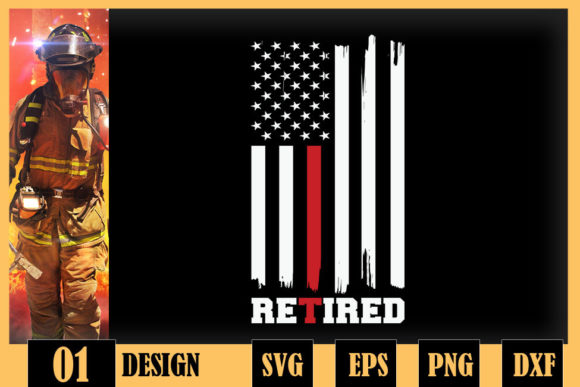
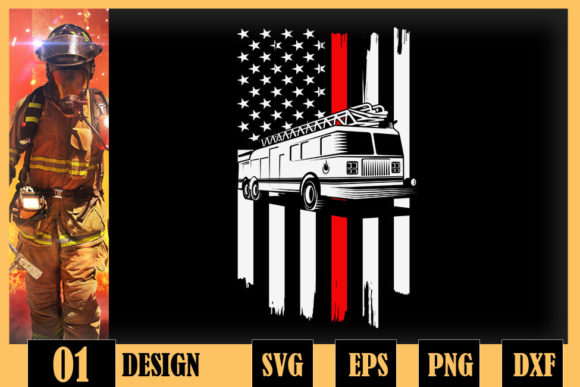
The moment I loaded the Fireman American Flag Thin Red Line onto my workspace, the mood was immediately clear. This is a bold, respectful tribute design. The integration of the "Thin Red Line" concept into the traditional American flag creates a powerful visual statement without being overly cluttered. For those of us in the Crafts and Graphics space, we know that symbolism needs to be handled with care. The layout feels balanced, with the red stripe acting as a strong anchor that draws the eye across the field of stars and stripes.
From a technical standpoint, the design appears to rely heavily on clean fill stitch areas for the flag sections, likely paired with sharp satin stitch columns for the text or border elements if included in your specific version. The visual personality is professional and solemn, making it an ideal candidate for items meant to honor service. It avoids the cartoonish trap that some novelty designs fall into, which is crucial when you are creating handmade products for firefighters or their families.
Real-World Application: The Custom Sweatshirt Scenario
To truly test the viability of this design, I imagined a common request I receive often: a custom sweatshirt embroidery order for a local fire station's holiday party. The client wants something wearable but dignified. Here is where the Fireman American Flag Thin Red Line shines. On a mid-weight cotton blend sweatshirt, the density of the flag design provides enough coverage to prevent the fabric from showing through, ensuring the colors pop.
If you are an Etsy seller or run a small shop product line, this design fits perfectly into the "hero item" category. Imagine stitching this onto the left chest of a navy blue hoodie. The contrast between the dark fabric and the vibrant red, white, and blue threads creates immediate recognition. It transforms a standard garment into a personalized gift that carries emotional weight. However, you must consider the fabric texture. If the sweatshirt is too fuzzy or textured, the fine details of the stars might get lost. In that case, I would recommend using a cut-away stabilizer to provide a firm foundation and prevent the stitches from sinking into the pile.
Navigating Technical Challenges
While the design is strong, no embroidery project is without its potential pitfalls. The Fireman American Flag Thin Red Line contains elements that require careful attention regarding hoop size and placement. If you are attempting to place this on a curved surface like a cap, you need to be extremely cautious. Caps are notorious for causing registration issues with wide designs. The horizontal nature of the flag means that if the fabric shifts even slightly during stitching, the straight lines of the stripes could look wavy, ruining the professional look.
Furthermore, consider the stitch density. Dense designs on stretchy fabrics, like performance tees or thin baby clothes, can lead to puckering. If you plan to use this for baby embroidery, perhaps on a onesie for a firefighter's newborn, you must scale the design down significantly and potentially reduce the density settings in your software. Always test on scrap fabric first. There is nothing worse than ruining a expensive jacket because you didn't account for the pull of the thread.
Another critical factor is the thread colors. The success of this design hinges on the vibrancy of the red. If your thread library has faded spools, the "Thin Red Line" will lose its impact. I strongly advise comparing light and dark fabric backgrounds before finalizing your product line. On black fabric, ensure your white stars are dense enough to stand out; on white fabric, make sure the red line doesn't bleed visually into the surrounding areas due to poor underlay.
Commercial Viability and Brand Consistency
For commercial embroidery professionals, consistency is key. When a customer orders five jackets for their crew, they expect them to look identical. The Fireman American Flag Thin Red Line seems robust enough to handle repeat production, provided your machine tension is dialed in. This design adds value to your craft business because it appeals to a specific, loyal demographic. Firefighters and their supporters are passionate, and they appreciate high-quality tributes.
Using this as a tote bag design or on an embroidered patch could also open up new revenue streams. Patches, in particular, allow you to stitch the design on a stable twill backing before applying it to the final garment, bypassing many of the fabric stability issues mentioned earlier. This approach is excellent for creating printable mockups for your online store, showing customers exactly how the design assets will look on various merchandise.
Essential Designer Notes for Success
Before you start stitching for profit, keep these practical steps in mind:
- Check Licensing: The product description mentions compatibility with software like Cricut Design Space, Silhouette Studio, Corel Draw, Adobe Illustrator, and Photoshop. However, always confirm the specific license terms. Can you sell the physical stitched item? Can you resell the digital file? Never assume.
- Software Compatibility: Ensure your embroidery machine software can read the specific file format provided. While the graphic files work in Adobe or Corel, your machine needs the correct embroidery extension.
- Test Small Details: Inspect the tiny corners of the stars and the edges of the red line. If they look jagged in the preview, they will look worse in thread.
- Stabilizer Selection: Match your stabilizer to your fabric. Heavy designs need strong support. Do not skimp here.
- Wash Testing: If you are selling these as holiday embroidery gifts or everyday wear, wash the test sample multiple times. Does the red bleed? Do the stitches lift?
In conclusion, the Fireman American Flag Thin Red Line is a compelling addition to any designer's library. It balances emotional resonance with technical feasibility. Whether you are creating a one-off personalized product for a friend or building a catalog of custom apparel for a boutique, this design offers the versatility and impact needed to succeed. Just remember, the difference between a good product and a great one lies in the preparation. Respect the design, prepare your materials, and let your stitching do the talking.