Retired Firefighter Thin Red Line: A Designer's Review
When I first pulled up the Retired Firefighter Thin Red Line file on my screen, I wasn't just looking at a graphic; I was visualizing the final stitch-out. As someone who spends hours digitizing and reviewing designs for real-world application, my immediate reaction is always practical. How will this translate from a digital Graphics file into a tangible, textured piece of art? This specific design carries a heavy emotional weight, honoring a career of service and sacrifice. The "Thin Red Line" motif is iconic, but executing it with the respect it deserves requires a keen eye for detail, especially when moving from vector software like Adobe Illustrator or Corel Draw into the realm of machine embroidery.
First Impressions and Visual Personality
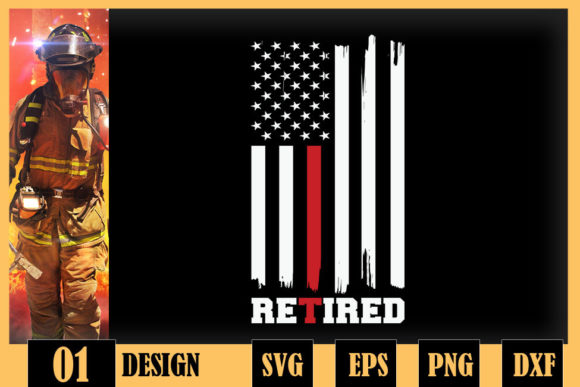
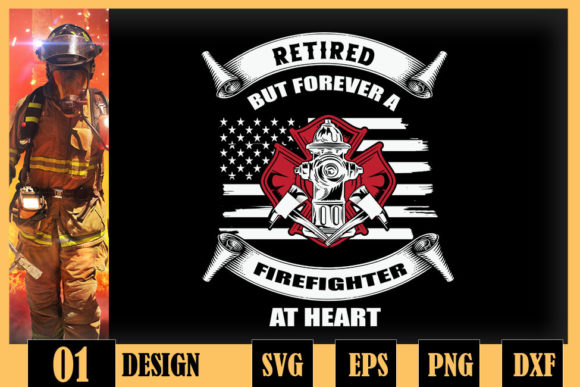
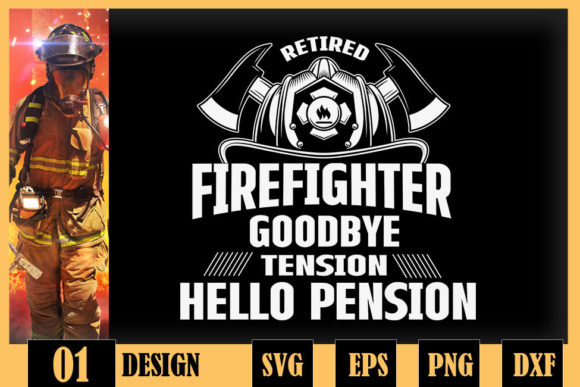
The layout of the Retired Firefighter Thin Red Line design strikes a balance between bold symbolism and clean simplicity. In the world of Crafts, sometimes less is more, and this design understands that assignment. The central element—the stylized line often accompanied by firefighting imagery or text—creates a mood of solemn pride. For an embroidery project, the visual personality here is authoritative yet approachable. It doesn't scream for attention with overly complex shading; instead, it relies on strong lines and clear shapes. This makes it an excellent candidate for various applications, from a subtle chest logo on a uniform shirt to a prominent back design on a casual sweatshirt. The clarity of the shape suggests it was intended to hold up well under the needle, avoiding the muddy look that plagues low-quality digitized files.
Real-World Application: The Custom Tribute Sweatshirt
To truly test the viability of this design, I imagined a specific scenario: a custom order for a local fire station retirement party. The client wanted personalized gifts for three retiring captains. I envisioned using a high-quality, heavyweight cotton blend sweatshirt as the base. Here, the Retired Firefighter Thin Red Line shines. Placed on the left chest or centered on the back, the design acts as a badge of honor. Because the theme is so specific, the customer trust factor is immense. They aren't just buying a shirt; they are buying a commemorative item that validates years of hard work.
If I were stitching this for a boutique product or an Etsy listing, I would also consider its use on a structured canvas tote bag. The flat surface of a tote allows the stitch definition to pop without the distortion you might get on curved seams. For a handmade product like this, the design's clean lines ensure that even from a distance, the symbol is recognizable. It transforms a simple bag into a statement piece suitable for carrying gear or personal items, reinforcing the brand consistency of a shop that specializes in first responder goods.
Navigating Fabric Textures and Stitch Challenges
However, no design is without its challenges, and a professional review must address where caution is needed. While the Retired Firefighter Thin Red Line looks crisp on screen, its performance depends heavily on your material choice. If you are working with textured fabrics like a waffle knit or a rough linen, fine details might get lost. The "Thin Red Line" itself implies a certain delicacy; if the digitizing uses a running stitch that is too sparse, it could disappear into the weave of a loose fabric.
For stretchy materials, such as performance polos or baby clothes, you must be vigilant about stabilizer usage. A design with solid fill areas can cause puckering if the fabric isn't properly supported. I would strongly advise testing the design on scrap fabric first, specifically matching the weight and stretch of your final project. If you are attempting this on a cap, remember that curved surfaces distort straight lines. You may need to adjust the pull compensation or ensure the hoop size is appropriate for the hat frame to prevent the design from looking warped after stitching.
Another critical area is thread color contrast. The power of this design lies in the red against a neutral background. On dark navy or black garments, ensure your red thread has enough vibrancy to stand out without looking washed out. Conversely, on light gray or white fabrics, a deep, saturated red is essential to maintain the visual impact. Always check your thread chart and consider doing a test run in black and white mockups to verify that the stitch density provides enough coverage without creating a stiff, cardboard-like feel on the finished product.
Commercial Viability and Brand Value
For Etsy sellers and creative entrepreneurs, the commercial potential of this asset is significant. The market for first responder appreciation items is steady, and customers are willing to pay a premium for high-quality, respectful designs. Using the Retired Firefighter Thin Red Line in your commercial embroidery projects can elevate your brand's perceived value. It shows that you understand the niche and care about the presentation. Whether you are selling digital embroidery files or finished embroidered patches, the professionalism of the output directly influences buyer engagement.
That said, licensing is paramount. The product description notes compatibility with software like Cricut Design Space, Silhouette Studio, and Adobe Photoshop, suggesting versatility for both cut files and print-and-cut scenarios. However, before listing finished items or digital products, you must confirm the specific license terms provided with the download. Some assets are for personal use only, while others allow for unlimited commercial sales. Never assume; always verify to protect your small shop product integrity.
Final Verdict for the Maker
In conclusion, the Retired Firefighter Thin Red Line is a robust choice for designers looking to create meaningful, high-impact items. Its strength lies in its symbolic clarity and adaptability across different mediums, from holiday embroidery gifts to year-round apparel. By paying attention to fabric texture, using the correct stabilizer, and respecting the emotional weight of the imagery, you can turn this graphic into a cherished heirloom. Whether you are a hobbyist making a gift for a family member or a business owner expanding your catalog, this design offers a solid foundation for a successful embroidery project. Just remember to check those file specifications and stitch settings before hitting start, ensuring your finished product honors the profession as much as the design intends.