Review: Where the Hose at Firefighter Design
As a designer who spends more time staring at stitch simulations than actual fabric sometimes, I approach every new machine embroidery design with a healthy dose of skepticism. We have all seen those cute graphics that look amazing on a screen but turn into a tangled mess of thread once the needle hits the cloth. That is exactly why I wanted to put Where the Hose at Firefighter through its paces before recommending it for any client work or small shop products. This isn't just about whether the image is funny; it is about whether it holds up as a viable embroidery project for real-world application.
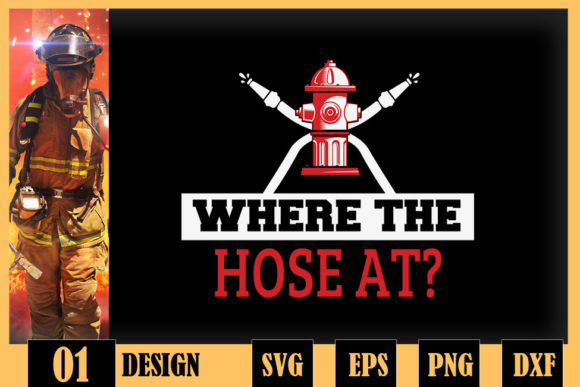
My first impression of the Where the Hose at Firefighter graphic was that it captures a very specific, lighthearted mood. It leans heavily into the playful side of firefighter culture, making it an instant candidate for personalized gifts rather than serious departmental branding. The visual personality is bold and cartoonish, which usually translates well to stitching because it avoids the pitfalls of hyper-realism that often fail in thread. However, the transition from a digital embroidery file intended for software like Cricut Design Space or Adobe Illustrator to actual thread requires a critical eye for detail.
Real-World Application: The Sweatshirt Test
To truly evaluate this design, I envisioned a specific scenario: a custom order for a local fire station's family day. The request was for matching sweatshirt embroidery for the spouses and kids of the crew. This is where Where the Hose at Firefighter shines. The layout is generally open, which is fantastic for mid-weight fleece or cotton blends commonly used in custom apparel. Unlike dense logos that can make a garment stiff and uncomfortable, this design feels like it would sit lightly on the chest or sleeve.
If you are an Etsy seller or run a craft business, you know that customer reaction is everything. This design sparks a smile. It is the kind of thing a customer sees on a printable mockup and immediately wants to buy for a baby shower or a holiday gift. For holiday embroidery projects, specifically around Christmas or Father's Day, this theme fits perfectly. It works exceptionally well as a tote bag design too, offering a fun alternative to the standard "Fire Wife" text-only options we see everywhere.
Navigating Fabric and Stitch Challenges
While the concept is solid, the execution depends entirely on how you handle the technical side of things. Since the source material is listed under Graphics within the Crafts category, it is crucial to remember that you may need to digitize this yourself or ensure the converted embroidery file is optimized. If you are working with a pre-digitized version, pay close attention to the stitch density.
One area requiring caution is the lettering. In many versions of this phrase, the text can be quite small. If you attempt this on a textured fabric like a waffle knit or a rough canvas tote bag, tiny letters can get lost. I strongly advise testing the design on scrap fabric first. Check the contrast between your thread colors and the background. A red hose on a navy blue shirt might look great on screen, but if the saturation isn't right, it could look muddy in person. For dark fabrics, consider using a lighter underlay or adjusting the satin stitch width to ensure pop.
Furthermore, be mindful of the hoop size. If you are aiming for a baby embroidery project, such as a onesie or a small bib, the full phrase might be too wide. You might need to scale it down, but be careful not to shrink it so much that the running stitch details disappear. Conversely, on a large pillow cover or blanket, you have the freedom to let the design breathe. Always confirm the minimum hoop size required before starting, especially if you are working with curved surfaces like caps. A cap requires a different approach than a flat tea towel, and the curvature can distort the text if the design isn't centered perfectly.
Commercial Viability and Brand Consistency
For those of us selling design assets or finished goods, the value of Where the Hose at Firefighter lies in its versatility. It appeals to a niche market that is passionate and willing to spend on handmade products. However, professionalism is key. Before listing this as a small shop product, you must verify the licensing terms. Just because a file works in Silhouette Studio or Corel Draw does not automatically grant commercial rights for physical goods or digital resale.
When used correctly, this design enhances brand consistency for shops specializing in first responder gear. It shows that you understand the culture without taking it too seriously. It builds customer trust because it looks intentional and well-placed. An embroidered patch featuring this design could be a huge hit for craft fairs, provided the edges are finished cleanly with a tight satin stitch border to prevent fraying after frequent washing.
Final Designer Notes for Success
To get the best finished product from Where the Hose at Firefighter, keep these practical steps in mind:
- Stabilizer Selection: Match your stabilizer to your fabric. Use a cut-away for stretchy sweatshirt materials to prevent distortion over time, and a tear-away for stable woven items like aprons or pillow covers.
- Thread Choice: High-sheen polyester thread often works best for the "hose" element to give it a slight rubbery look, while matte cotton thread might be better for any clothing elements in the design.
- Mockup Testing: Always view your design in black and white before stitching. This helps you identify if the contrast is sufficient for the details to stand out.
- Software Check: Ensure your software (whether it is Adobe Photoshop, Illustrator, or machine-specific programs) has correctly interpreted the paths if you are converting from a graphic format.
- Wash Testing: If selling commercially, wash your sample piece multiple times. Check for puckering or thread breaks, especially in dense areas.
In conclusion, Where the Hose at Firefighter is a charming addition to any designer's library, provided it is treated with the technical respect it deserves. It bridges the gap between a funny internet meme and a tangible, high-quality personalized gift. By paying attention to fabric texture, stitch density, and proper hooping, you can turn this graphic into a standout piece of commercial embroidery that customers will love wearing and displaying. Just remember, the difference between a good design and a great product is often in the preparation.