Firefighter Love: A Designer's Take on This Bold Graphic
As someone who spends more time staring at stitch maps than most people spend looking at their phones, I approach every new machine embroidery design with a mix of excitement and skepticism. We've all been there: you buy a file based on a slick thumbnail, only to find out the stitch density is so high it turns your fabric into cardboard, or the tiny details vanish under the needle. So, when I got my hands on Firefighter Love by Firefighter Tools, I didn't just look at the preview; I started thinking immediately about where this graphic would live in the real world.
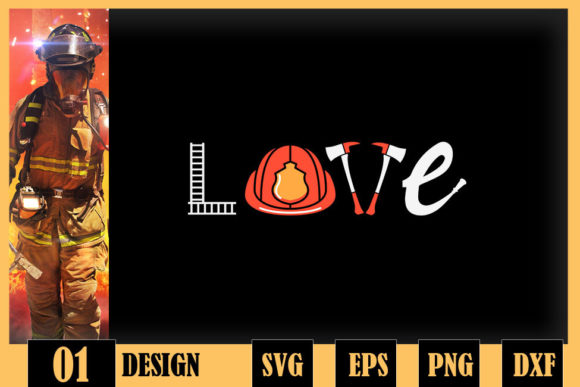
This isn't just another clipart image; it's a statement piece categorized under Crafts and Graphics, but its true potential lies in how it translates from a digital embroidery file to a tangible, textured product. The design carries a mood that is both protective and affectionate. It captures the duality of the firefighting profession—toughness mixed with deep care—which makes it incredibly versatile for a range of projects beyond the obvious.
First Impressions and Visual Personality
The first thing that strikes me about Firefighter Love by Firefighter Tools is its layout. It feels balanced, likely utilizing a combination of bold shapes and finer lines to create depth. In the world of digital embroidery files, balance is everything. If a design is too top-heavy, it pulls on the hoop; if it's too sparse, it looks cheap. This graphic seems to hit a sweet spot, suggesting a strong visual personality that would stand out on a pocket or a back panel.
For an Etsy seller or a small shop owner, the "vibe" of a design dictates who buys it. This one screams "proud family" or "supportive partner." It's not just for the firefighter; it's for the spouse, the child, or the friend who supports them. That emotional connection is what drives sales in the craft business sector. Whether you are creating a personalized gift for a retirement party or a holiday embroidery project for Christmas stockings, the thematic weight of this design does a lot of the heavy lifting for you.
Real-World Application: The Custom Tote Scenario
Let's get practical. Imagine a client comes to you needing a gift for a local fire station's charity fundraiser. They want something durable, useful, and visually striking. This is where Firefighter Love by Firefighter Tools shines as a tote bag design. Canvas tote bags are thick, which is great for hiding the backs of stitches, but they can be tricky if the design is too dense.
If I were stitching this onto a canvas tote, I'd be looking closely at how the graphic handles corners. Sharp angles in a design like this can sometimes cause thread breaks if the machine has to stop and start too frequently. Assuming the file is well-digitized, the result should be a crisp, professional-looking emblem that elevates a simple bag into a piece of small shop product merchandise. The contrast of the thread against a natural or navy canvas would make the "love" aspect pop, turning a utility item into a conversation starter.
Beyond totes, think about sweatshirt embroidery. A crewneck sweatshirt is a staple for firehouse crews. Placing this graphic on the left chest creates a sense of unity and pride. However, fleece and french terry fabrics have a nap (texture). You need to ensure that the fill stitch areas in the design are wide enough not to get lost in the fabric's texture. If the design relies heavily on running stitch for fine details, those might sink into a fluffy sweatshirt, so a test run on scrap fabric of the same weight is non-negotiable.
Navigating Fabric Challenges and Hoop Sizes
One of the biggest hurdles in using pre-made design assets is adapting them to different materials. Firefighter Love by Firefighter Tools likely has specific dimensions that dictate your hoop size. Before you commit to a large batch of custom apparel, check the file specifications. Does it fit in a 4x4 hoop for baby onesies, or does it require a 5x7 for a jacket back?
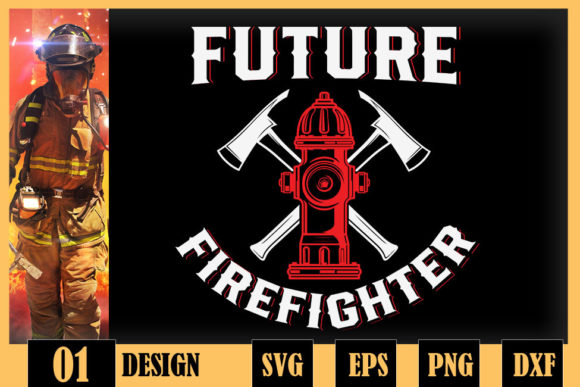
Speaking of baby embroidery, this design could be adorable on a "Future Firefighter" bodysuit. But here is the caution: babies move, and their clothes get washed constantly. If this design has tiny lettering or intricate satin stitch borders, they might not hold up to industrial washing machines. For infant wear, I always recommend simplifying the design or ensuring the underlay is robust enough to prevent puckering after the tenth wash.
Curved surfaces present another challenge. If you are planning to put this on a cap, remember that caps are notoriously difficult to embroider on due to the seam and the curve. A complex graphic like this might distort if not hooped correctly with a strong backing. In this case, converting the concept into an embroidered patch might be the smarter play. You can stitch the design onto a stable twill base, cut it out, and then sew or heat-press it onto the hat. This method often yields a cleaner finished product and adds a layer of durability that direct stitching on a structured cap might lack.
Commercial Viability and Brand Consistency
For those running a boutique or an online store, consistency is key. Using Firefighter Love by Firefighter Tools across a product line—say, matching aprons for a BBQ, tea towels for the kitchen, and pillow covers for the living room—creates a cohesive brand story. Customers love buying sets. It increases the average order value and makes your handmade product feel like a curated collection rather than a random assortment of items.
However, before you list these items for sale, you must address the licensing. The product description mentions compatibility with software like Cricut Design Space, Silhouette Studio, Corel Draw, Adobe Illustrator, and Photoshop. This suggests the file might be vector-based or a high-resolution graphic intended for cutting or printing, rather than a pre-digitized stitch file (.pes, .dst, etc.). This is a critical distinction.
If you are an embroiderer, you cannot simply load a JPEG or SVG into your embroidery machine without digitizing it first (unless you have a converter, which rarely yields professional results). If Firefighter Love by Firefighter Tools is indeed a graphic file for cutting machines or design software, you will need to digitize it into a proper machine embroidery design format yourself, or hire a digitizer. Selling finished goods made from a design you haven't properly licensed for commercial embroidery use can lead to legal trouble. Always read the fine print regarding "commercial use" and "finished products."
Final Verdict: To Stitch or Not to Stitch?
In my professional opinion, Firefighter Love by Firefighter Tools has strong potential as a centerpiece for niche markets. Its theme is evergreen, appealing to a dedicated community that values symbolism and pride. The visual appeal is likely high, provided the execution matches the concept.
To ensure success, follow these practical steps:
- Test First: Never skip the scrap fabric test. Check how the thread colors interact with your chosen material.
- Check Density: If the design feels stiff after stitching, reduce the density in your editing software if possible, or switch to a lighter stabilizer.
- Mockups Matter: Create black-and-white mockups to see if the design holds its shape without color reliance. This helps in assessing the structural integrity of the lines.
- Verify Formats: Confirm exactly what file types are included. If it's strictly for Cricut or Silhouette, factor in the time and cost of digitizing it for embroidery.
- Stabilizer Choice: Match your stabilizer to the fabric. Cut-away is usually best for stretchy garments to prevent distortion over time.
Ultimately, the value of this design lies in how you present it. Whether it ends up on a pillow cover in a nursery or a tea towel in a firehouse kitchen, the quality of your stitching and the thoughtfulness of your product selection will determine customer trust. If handled with care, Firefighter Love by Firefighter Tools can be a profitable and meaningful addition to your catalog of commercial embroidery projects.